

Why coping is not a solution (Polytechnics)
In the fast-paced environment of university life, many students resort to coping mechanisms to manage stress and academic pressure. While these strategies can provide temporary relief, they often fall short of addressing the root causes of stress, ultimately undermining academic performance. Instead of genuinely engaging with their studies, students may find themselves relying on last-minute cramming or superficial techniques that do little to enhance learning or retention.
One significant issue with coping is that it often leads students to operate on autopilot. This can manifest as cramming the night before an exam, believing that intense, short bursts of studying will somehow enhance productivity. However, this pressure typically hinders rather than helps. When students are overwhelmed, their ability to absorb and retain information diminishes. The focus shifts from understanding concepts to merely attempting to memorize them in a rush, which can result in superficial knowledge that fails to stick.
Moreover, when students are not anchored in the present moment, their minds tend to drift toward past regrets or future anxieties. This mental wandering creates a cycle of agitation and distraction, further detracting from their current tasks. For instance, a student might sit down to study but find their thoughts consumed by worries about upcoming deadlines or reflections on previous grades. This lack of focus not only impedes learning but also fosters a sense of helplessness, making it harder for students to engage meaningfully with their coursework. Coping strategies often encourage avoidance rather than confrontation of challenges. Students may find themselves reaching for distractions, such as social media or entertainment, as a way to escape the pressure of academic responsibilities. While these activities can provide temporary relief, they ultimately divert attention from the essential work of studying and understanding course material. The result is a cycle of procrastination and anxiety, where students feel increasingly unprepared and overwhelmed.
To break this cycle, it’s crucial for students to develop a more proactive approach to their studies. Instead of relying on coping mechanisms, they can benefit from cultivating mindfulness and present-moment awareness. By learning to observe their thoughts and emotions without judgment, students can create a gap between feeling overwhelmed and taking productive action. This shift allows them to respond to academic challenges with clarity rather than react impulsively out of stress.
Ultimately, coping is not a sustainable solution for university students. While it may provide short-term relief from stress, it fails to address the underlying issues that contribute to academic difficulties. By fostering greater awareness and focus, students can cultivate healthier, more effective strategies for engaging with their studies and achieving long-term success. Embracing a mindset of presence and proactive learning can lead to not only improved academic performance but also a more balanced and fulfilling university experience.
Share:
Table of Contents
More Posts

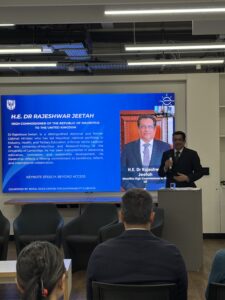
“Reframing education beyond access”: In collaboration with University of East London
From the Well-Formed Mind Internship to a UEL Summit on Readiness, Retention and Workforce Participation

We Are All Set for the 12th International Day of Yoga
# International Day of Yoga 2026:

Nirvisha: You Are a Reservoir. It’s Time to Empty
“Before we reach for supplements, superfoods, or detox drinks — our ancestors had already figured it out. Every morning, before food, before screens, before the world got loud — they had a ritual.”
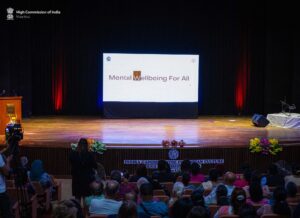
Mental Well-being for All
Mauritius witnessed a landmark gathering on mental health, organized by the Abhyas Institute of Universal Awareness in collaboration with the Indira Gandhi Centre for Indian Culture (IGCIC – ICCR in Mauritius). Held in observance of World Mental Health Day and aligned with the United Nations 2025 theme — “Access to Services: Mental Health in Catastrophes and Emergencies” — the “Mental Well-Being for All” Conference brought together policymakers, thought leaders, educators, spiritual guides, healthcare professionals, youth, and civil society to champion holistic mental well-being and explore practical strategies for building a resilient society.