
Nirvisha: You Are a Reservoir. It’s Time to Empty
Think about everything you consumed today. Not just food. Air laced with dust and exhaust. Water carrying invisible particles. Screens feeding your eyes with blue light and your mind with noise. Conversations that left a residue. Emotions you swallowed instead of releasing. Information you didn’t ask for but absorbed anyway.
when did you last empty any of it out?
Now ask yourself honestly:
We have become masterful consumers and shockingly poor releasers. We take in — endlessly, automatically, without awareness — and we store. In the cells of the gut. In the lining of the nasal passages. In the lymphatic system that moves quietly beneath the skin. In the nervous system that slowly, silently accumulates the weight of everything we never let go of.
And the body keeps score. It always does.
What This Accumulation Is Actually Doing to You
You’ve probably felt it without having a name for it. That fog that sits behind the eyes at 3pm. The heaviness that makes the morning feel like wading through wet sand. The sluggishness that no amount of coffee fixes. The skin that looks tired even when you’ve slept. The thoughts that move slower than they used to.
In Ayurveda and yogic science, this has a name: Ama — the toxic residue of everything undigested, unprocessed, and un-released. Ama is not just physical. It builds in the body through poor digestion. It builds in the mind through unprocessed emotion. It blocks the srotas — the subtle channels through which prana, vitality, and clarity flow.
When those channels are blocked, energy stagnates. Enthusiasm dims. The body becomes a reservoir that is constantly being filled and never emptied. Lethargy is not laziness — it is the body screaming that it is overloaded. Brain fog is not weakness — it is the mind operating through layers of accumulated debris.
We were never designed to carry this much. And we were never meant to carry it alone. Our ancestors knew this, which is why they built the emptying practice directly into the morning — before the day could pile anything more on top.

This Morning, We Remembered Something Ancient
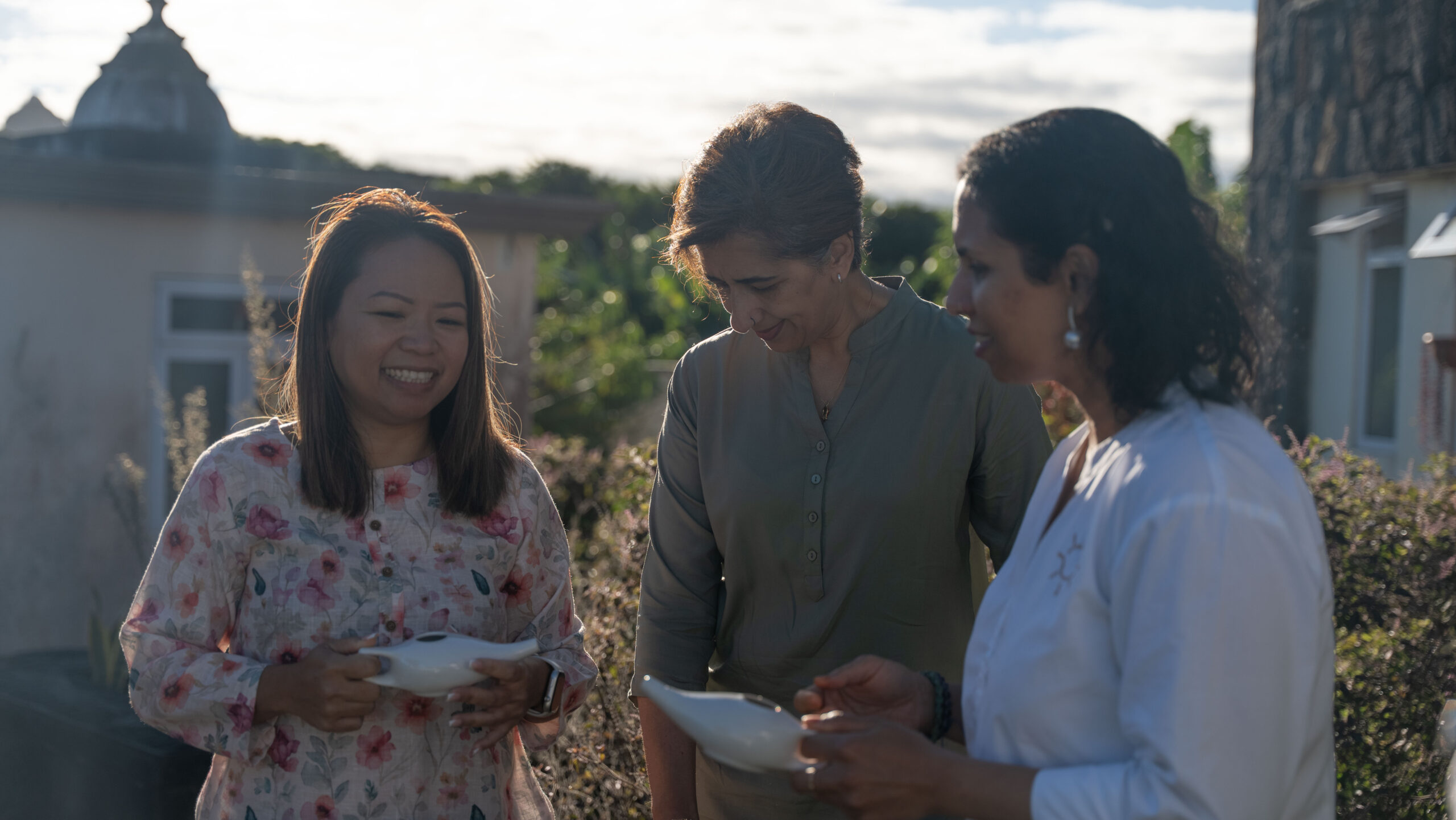
At the Nirvisha workshop, held at La Laura on the morning of May 24th, we did not learn anything new. We remembered. In just under two hours, with nothing more than water, salt, oil, and presence, we moved through five practices that have been documented in yogic and Ayurvedic texts for over three thousand years — and we felt, in real time, what happens when you finally begin to clear the reservoir.
Here is what we practiced, and what each one does to the body:
The Drink of the Dawn
Before anything else — before brushing teeth, before checking the phone, before the mind’s daily chatter begins — we drink. One litre of water stored overnight in a copper vessel, taken at the earliest light. The name says it all: Usha means dawn, Paan means to drink. This is not hydration. This is a flush.
- Physically washes undigested residue (Ama) from the walls of the small intestine
- Copper ions in the water carry antimicrobial properties and stimulate peristalsis — the movement of food through the digestive canal
- Reignites digestive fire (Agni), balances all three doshas
- Clears constipation, acidity, and sluggish digestion at the root
- Activates kidney function and helps the body's natural toxin excretion
- Skin clarity, reduced bloating, and improved metabolism often follow within days
Pulling Toxins Through the Mouth
A tablespoon of sesame or coconut oil swished slowly through the mouth for 10–15 minutes. The mouth is not just the beginning of the digestive tract — in the Charaka Samhita, the ancient Ayurvedic text, each section of the tongue is mapped directly to an organ: the kidneys, lungs, liver, heart, stomach. Oil pulling is, in this sense, a whole-body intervention that begins at the most accessible gate.
- Oil mixes with saliva and draws out fat-soluble toxins, bacteria, and pathogens through lipophilic action
- Reduces the bacterial load in the mouth before it can enter the bloodstream
- Strengthens gums, reduces plaque, freshens breath naturally without chemicals
- Supports the lymphatic system — linked to increased energy, clearer sinuses, calmer hormones
- Reduces brain fog and headaches through toxin removal
- Ayurveda credits regular practice with improving skin glow and reducing fine lines
Clearing the Doorway of Breath
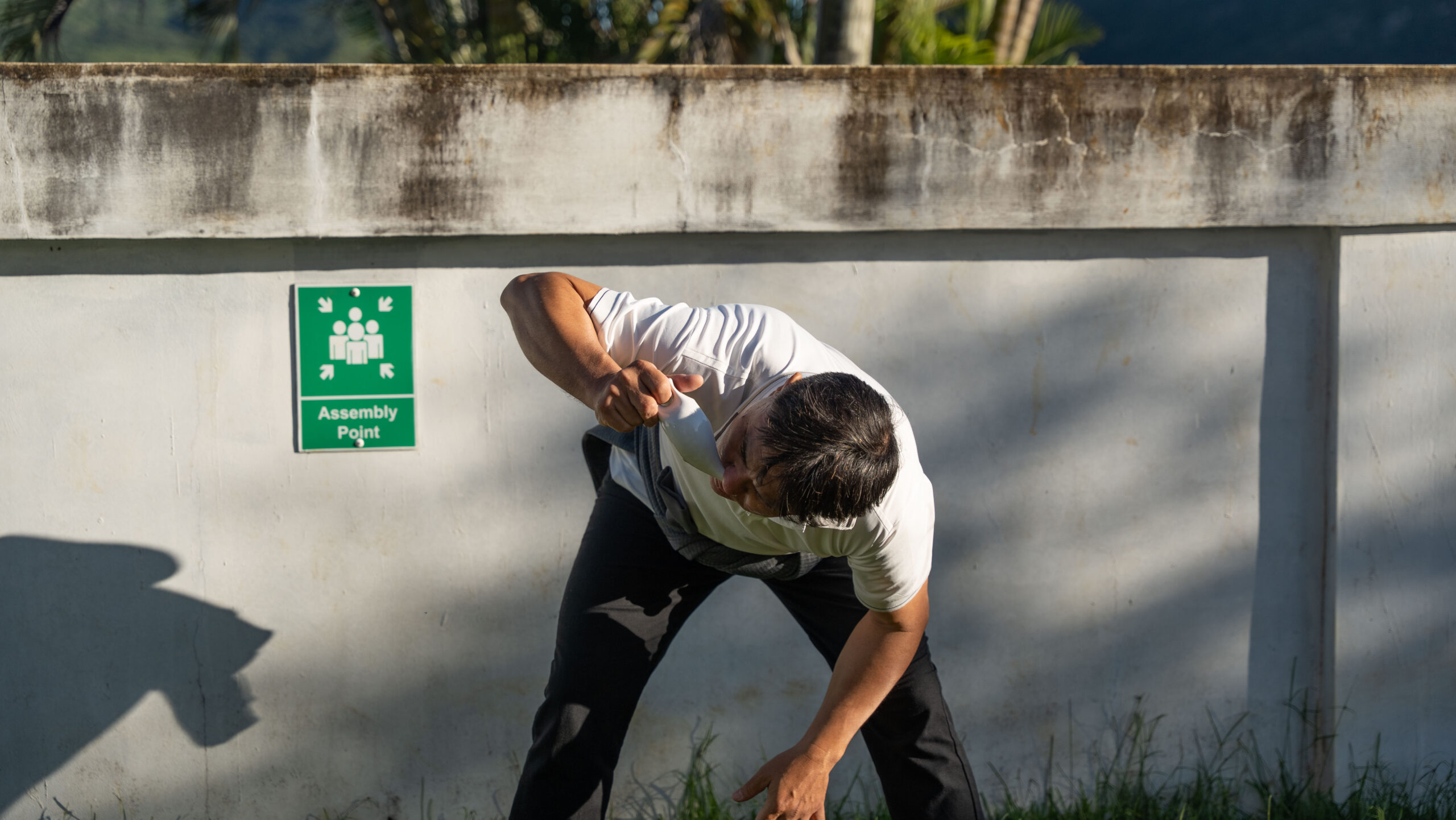
Warm saline water poured gently through one nostril and out the other using a neti pot. This is one of the six Shatkarmas — the classical purification techniques of Hatha Yoga, described in the Hatha Yoga Pradipika. The nose is the first point of contact between the body and the outside world. It is where polluted air, allergens, dust, and micro-pathogens first enter. It is also, in yogic understanding, the doorway through which prana — life force — arrives. A blocked nose is not just discomfort. It is a closed gate.
- Flushes allergens, dust, pollutants, and mucus buildup from the nasal passages
- Relieves sinus congestion, chronic rhinitis, and allergy symptoms
- When nasal passages are clear, the brain receives more oxygen — sharpening memory, focus, and emotional steadiness
- Directly prepares the body for deeper pranayama and meditation practice
- Reduces snoring and improves sleep quality
- Supports the balance of both ida and pingala — the subtle energy channels on either side of the spine
Cooling the Windows of the Soul
The eyes are, in Ayurvedic philosophy, the seat of Pitta — fire and transformation. In our daily lives, they are under constant assault: screens, artificial light, air conditioning, dust, and the sheer volume of visual information we process every single day. A cool Triphala or rose water eye wash in the morning is an act of mercy for one of the body’s most used and least rested organs.
- Removes overnight discharge and accumulated irritants from the eyes
- Reduces eye inflammation, redness, and dryness
- Triphala wash enhances vision clarity and strengthens eye muscles over time
- Prevents conjunctivitis, watery eyes, and chronic eye strain
- Soothes excess Pitta — calming the agitation that accumulates in overstimulated people
- After consistent practice: clearer, brighter eyes with reduced puffiness and dark circles
Nourishing the Pathway to the Brain
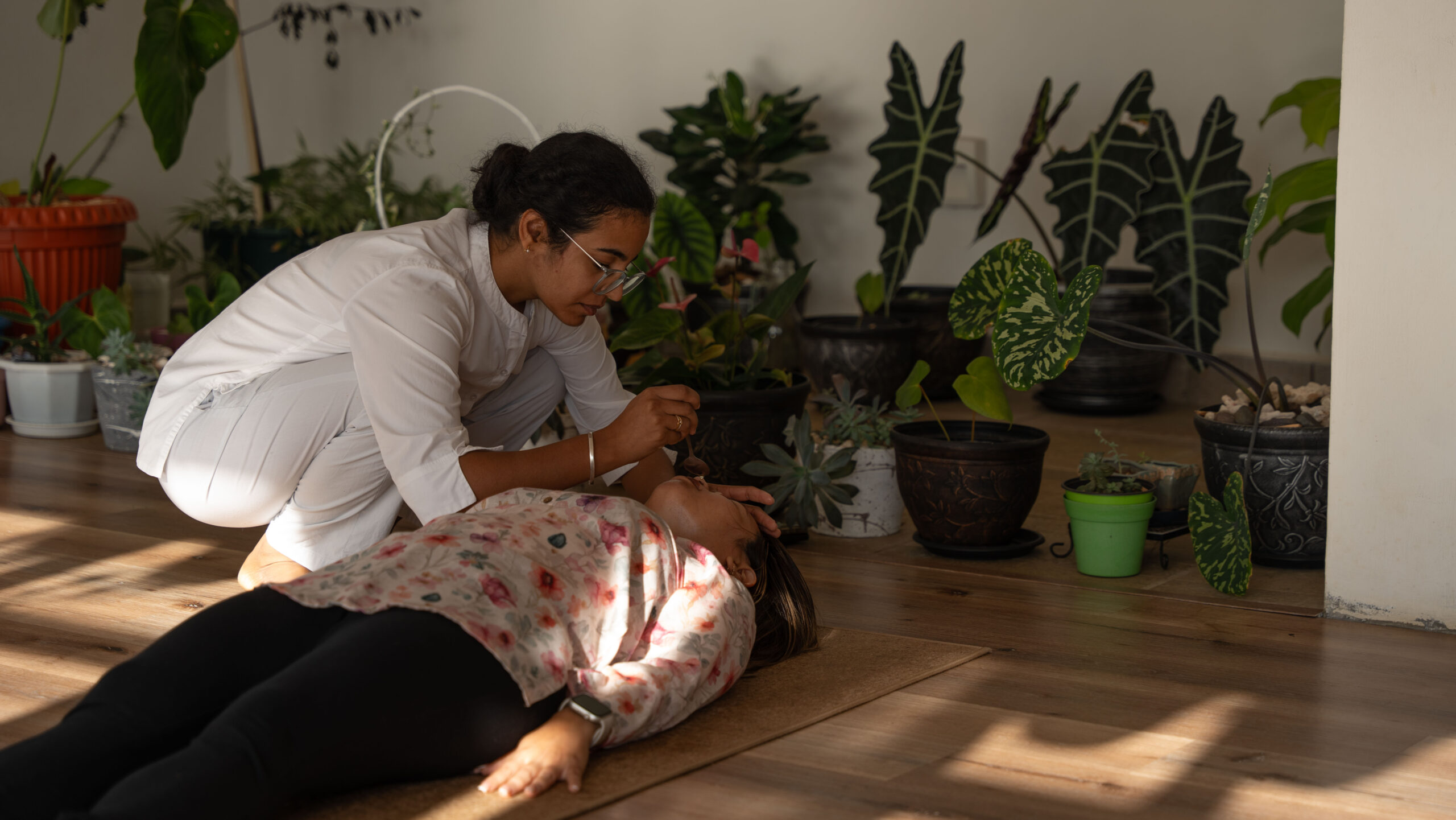
After Jal Neti has washed the nasal passages clean, a few drops of medicated oil — traditionally Anu Tailam or warm sesame — are administered into each nostril. This is Nasya, one of the five treatments of Panchakarma. In classical Ayurvedic texts, the nose is described as the direct route to the brain, connected through the olfactory system and the cribriform plate. Nasya is, quite literally, feeding the nervous system through its closest available gateway.
- Lubricates and protects the nasal mucosa — the body's first immunological barrier
- Nourishes nervous tissue directly, supporting brain and CNS lymphatic function
- Reduces migraines, tension headaches, and chronic neck and shoulder stiffness
- Improves concentration, memory, and cognitive clarity
- Soothes Vata — calming anxiety, dryness, and scattered thinking
- Traditional texts describe it as shirah kapala shuddhi — purification of the head and skull
These are not wellness hacks. These are ancient technologies for the maintenance of a human being — and they fit into 45 minutes of a morning.
Why Abhyas Is Bringing This to You Now
At Abhyas, we don’t teach practices as performances. We teach them as return — a return to the intelligence that has always existed within the body and within the wisdom traditions that understood it.
The Nirvisha workshop was not about impressing anyone with ancient rituals. It was about something more urgent and more practical: giving people their body back. We live in a time of extraordinary consumption and very little release. We eat more, absorb more information, feel more stimulated, and yet feel emptier than any generation before us. The irony is not subtle.
What these five practices have in common is that they work on the channels — the physical passageways through which the body processes, moves, and releases. The mouth. The nasal passages. The eyes. The gut. Each one is a gate. And when the gates are blocked, nothing — not supplements, not superfoods, not meditation — can work as it should. You cannot pour clean water into a clogged pipe.
This is why Abhyas brought the Nirvisha workshop into being. Not as a luxury. As a necessity.
The participants who practiced with us this morning didn't just learn techniques. They felt — often for the first time — what it is like when the body begins to breathe freely, when the weight of accumulated residue starts to shift. That is not a small thing. That is what all the deeper practices of yoga are waiting for.
Share:
Table of Contents
More Posts
“Reframing education beyond access”: In collaboration with Royal Docks Centre for Sustainability
From the Well-Formed Mind Internship to a UEL Summit on Readiness, Retention and Workforce Participation
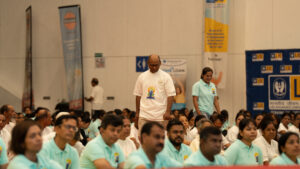
We Are All Set for the 12th International Day of Yoga
# International Day of Yoga 2026:
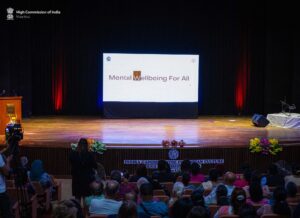
Mental Well-being for All
Mauritius witnessed a landmark gathering on mental health, organized by the Abhyas Institute of Universal Awareness in collaboration with the Indira Gandhi Centre for Indian Culture (IGCIC – ICCR in Mauritius). Held in observance of World Mental Health Day and aligned with the United Nations 2025 theme — “Access to Services: Mental Health in Catastrophes and Emergencies” — the “Mental Well-Being for All” Conference brought together policymakers, thought leaders, educators, spiritual guides, healthcare professionals, youth, and civil society to champion holistic mental well-being and explore practical strategies for building a resilient society.
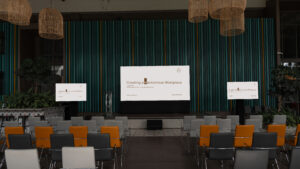
Creating a Harmonious Workplace: A much needed forum
The First Forum on Harmony, Wellbeing, and Conscious Leadership in Mauritius In a time of fast-paced change, high pressure, and digital transformation, the idea of